
Bevezetés
In the field of textile innovation, polyester coral velvet fabric olyan anyagként jelent meg, amely tökéletesen egyensúlyban tartja a puhaságot, a melegséget és a praktikumot. A plüss felületéről és finom textúrájáról ismert szövet széles körben használatos lakástextilekben és téli ruházatban. However, what truly distinguishes polyester coral velvet fabric is its ability to enhance thermal comfort—a property that determines how effectively a fabric maintains warmth while regulating body temperature.
The Concept of Thermal Comfort in Fabrics
Thermal comfort refers to the sensation of warmth and temperature balance perceived by the human body when wearing or being in contact with a fabric. Ez több paramétertől függ, mint például a hővisszatartás, a légáteresztő képesség, a nedvességszabályozás és a felületi textúra. A jól megtervezett hőszövetnek elegendő hőt kell tartania hideg környezetben anélkül, hogy túlmelegedést vagy nedvességet okozna. Polyester coral velvet fabric meets these criteria through its unique microstructure and fiber composition, offering an optimal thermal balance suitable for both clothing and interior textile applications.
A poliészter korallbársony szövet szerkezeti összetétele
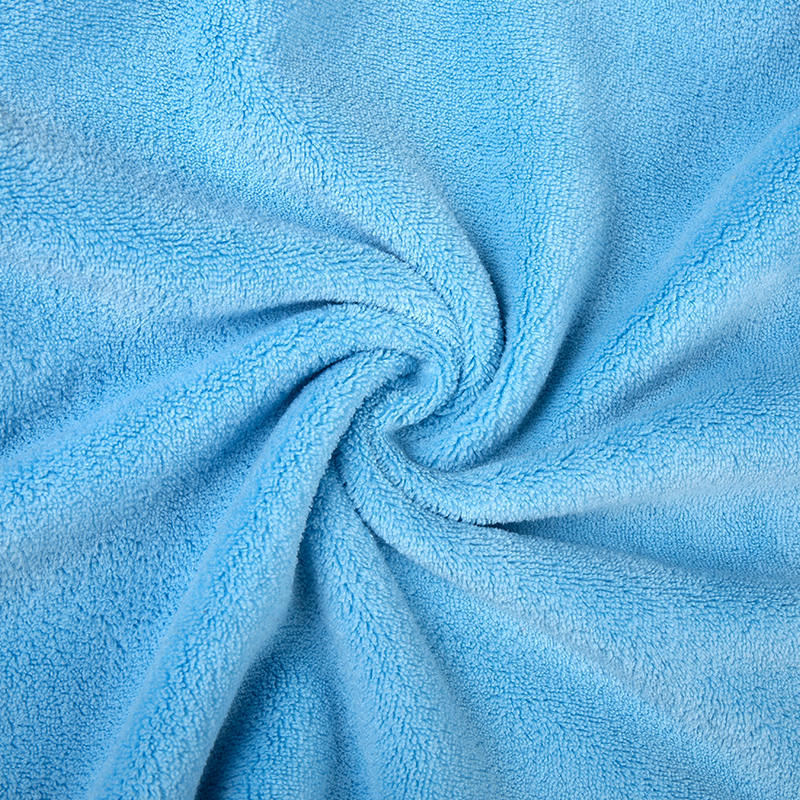
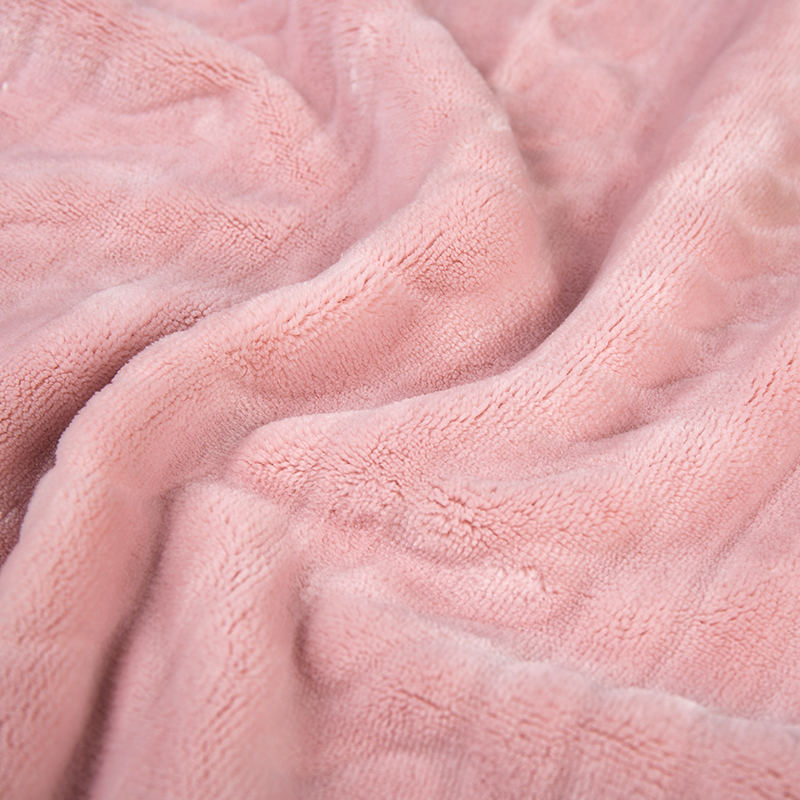
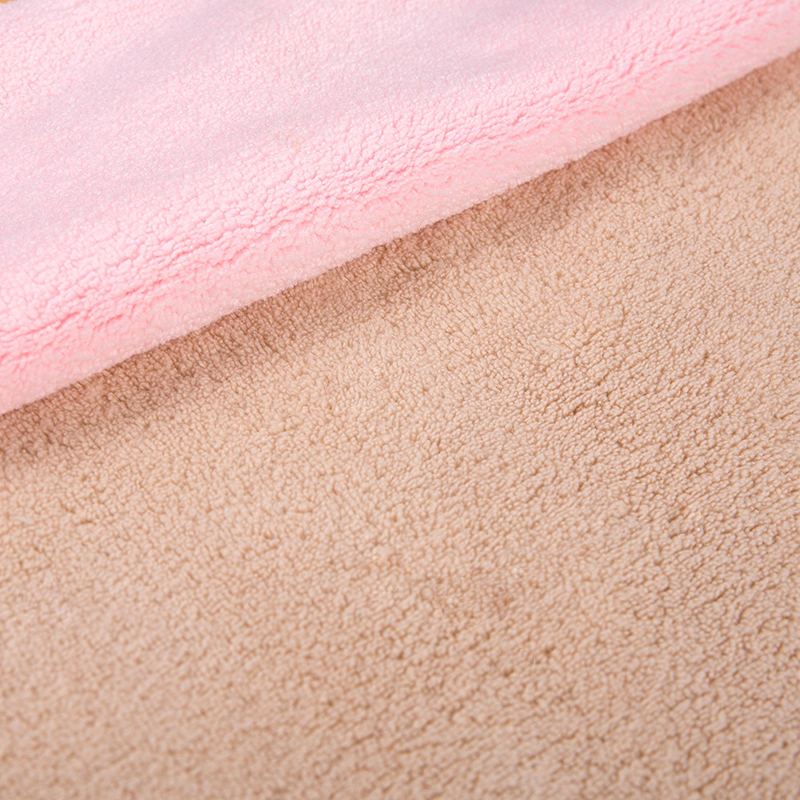
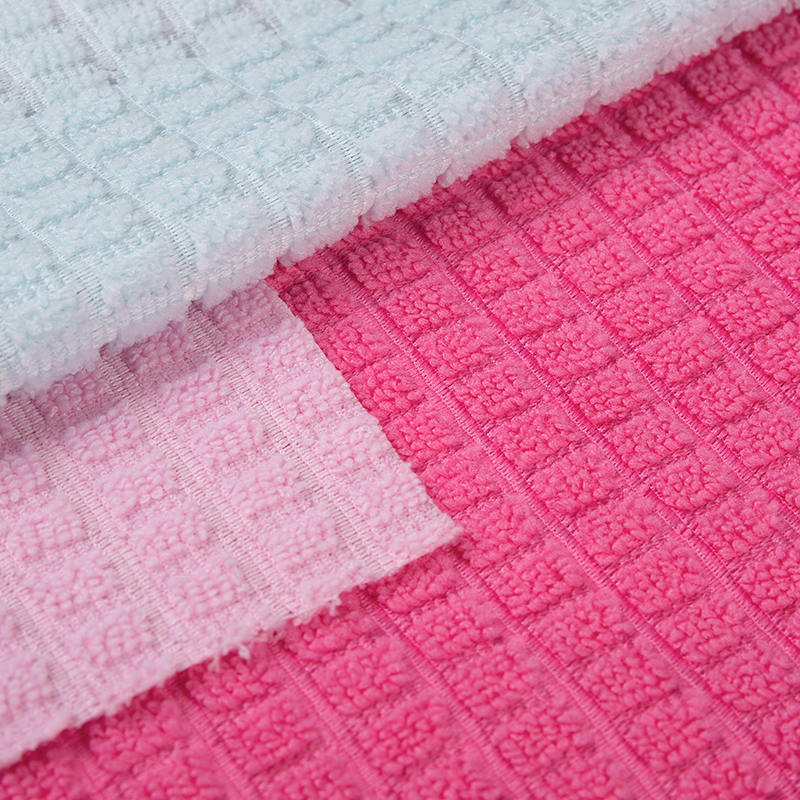
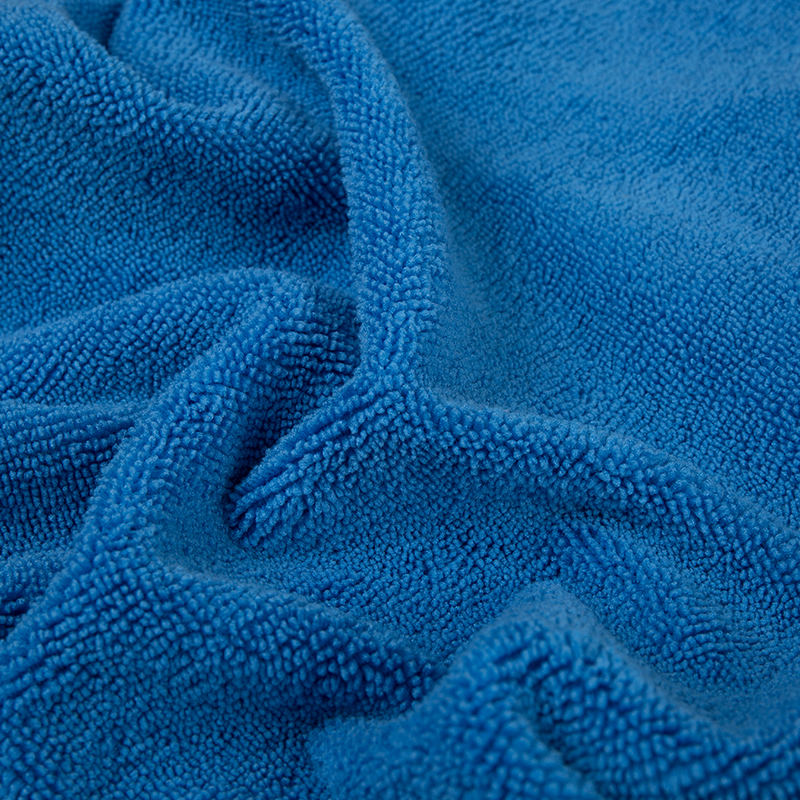
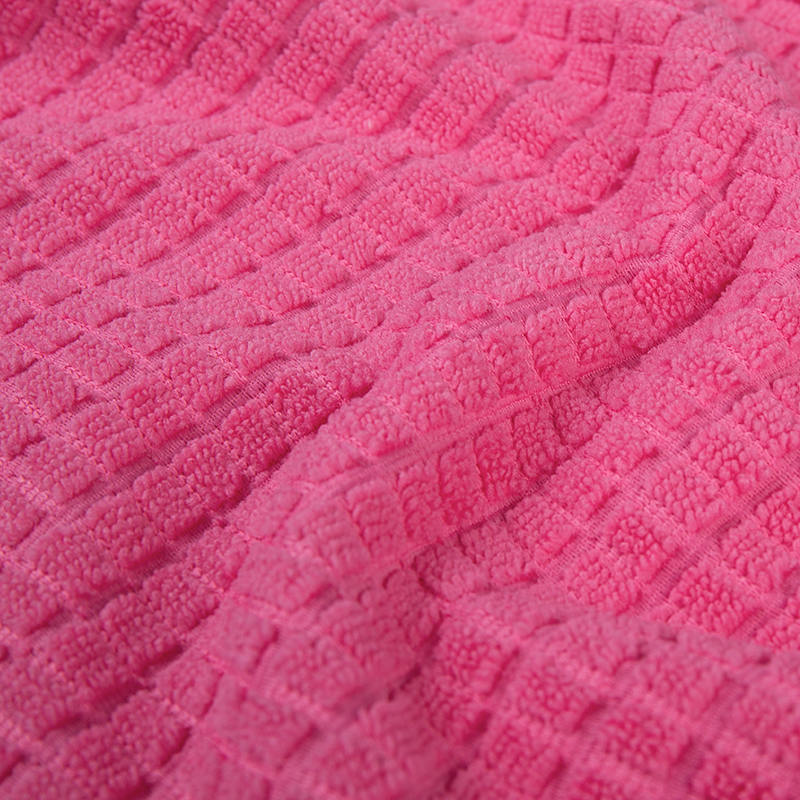
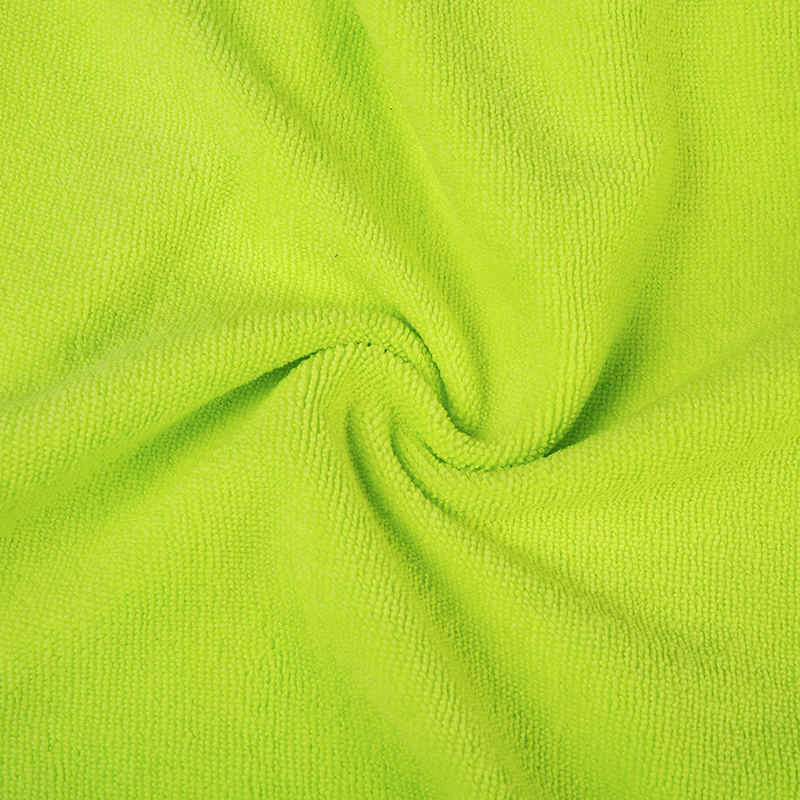
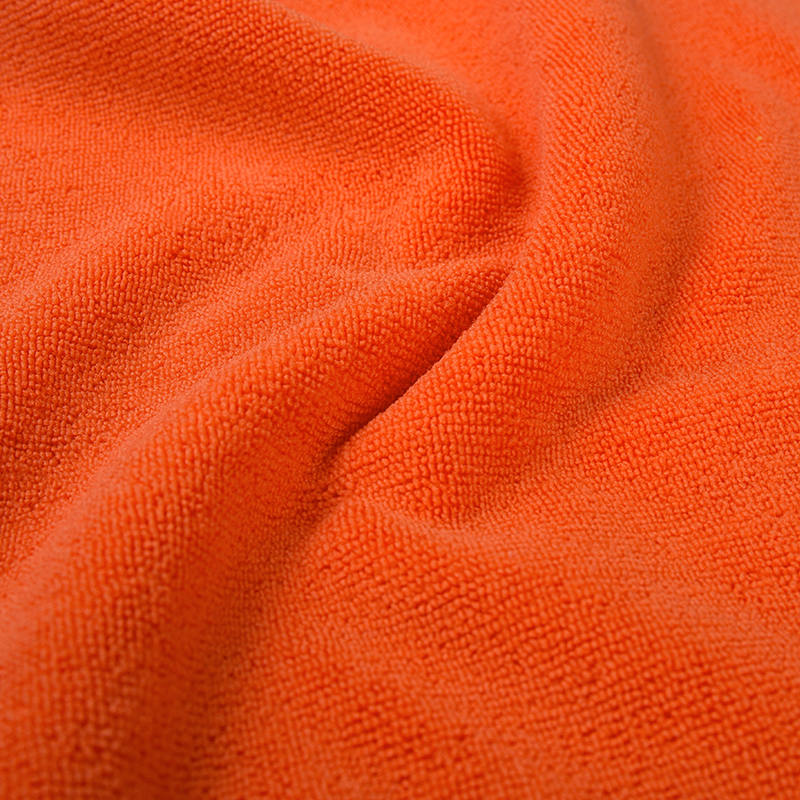
A poliészter korallbársony szövet hőteljesítménye szálszerkezetében és felületi morfológiájában gyökerezik. Finom denier poliészter szálakból készül, amelyeket kefélnek és megemelnek, hogy sűrű, korallszerű textúrát alkossanak. Ez a szerkezet légbefogó rétegeket hoz létre, amelyek javítják a szigetelést, miközben megtartják a könnyű kényelmet.
| Szerkezeti jellemző | Funkció | Hőhatás |
|---|---|---|
| Finom poliészter szálak | Improve softness and flexibility | Reduces conductive heat loss |
| Csiszolt bársony felület | Creates dense air pockets | Enhances thermal insulation |
| Kétoldalas cölöp kialakítás | Maximalizálja a felület melegét | Provides even temperature retention |
| Mikrorés száltávolság | Lehetővé teszi a légáramlás szabályozását | Balances breathability and warmth |
Ezen elemek kölcsönhatása biztosítja, hogy a szövet hatékonyan felfogja a testhőt a szellőzés korlátozása nélkül.
Mechanism of Heat Retention
A poliészter korallbársony szövet elsősorban a levegő bezárásával fokozza a hőkomfortot. A megemelt cölöpszerkezet a szálak között számos csendes levegő mikroréteget zár be, amelyek természetes szigetelőként működnek. Mivel a levegőnek alacsony a hővezető képessége, ezek a rétegek minimálisra csökkentik a test hőveszteségét a környező környezetbe.
Ezenkívül maguk a poliészter szálak alacsony nedvszívó képességgel rendelkeznek, de magas hőstabilitásúak. This allows the fabric to retain warmth even under humid conditions, unlike natural fibers that may lose insulation when damp. Az eredmény egy konzisztens hőgát, amely fenntartja a kényelmet a változó bel- és kültéri hőmérsékleteken.
Surface Texture and Tactile Warmth
Beyond thermal insulation, the tactile quality of polyester coral velvet fabric significantly contributes to perceived warmth. Az ultrapuha felület minimálisra csökkenti a bőr súrlódását, így sima érintkezési felületet hoz létre, amely szinte azonnal felmelegszik. Unlike coarse fabrics that create thermal gaps, coral velvet maintains a uniform contact layer, enhancing both comfort and sensory satisfaction.
The fabric’s velvety finish also reflects radiant heat back toward the body, improving overall heat conservation. This subtle reflective property further distinguishes polyester coral velvet fabric from conventional fleece materials that may lose warmth through surface diffusion.
Moisture Regulation and Légáteresztő képesség
While warmth is critical, maintaining a dry microclimate between the fabric and skin is equally essential for thermal comfort. Polyester coral velvet fabric achieves this through its moisture transport mechanism. Though polyester has low absorbency, the micro-gap network created during the brushing process promotes capillary wicking—moving moisture away from the body and allowing it to evaporate at the surface.
| Funkcióal Property | Leírás | Komfort hatás |
|---|---|---|
| Nedvesség elvezetés | Transfers sweat to outer layer | Szárazon tartja a bőrt |
| Gyors száradás | Rapid moisture evaporation | Megakadályozza a nyirkos érzést |
| Mérsékelt légáteresztő képesség | Kiegyensúlyozott légáramlás | Megakadályozza a túlmelegedést |
| Stabil szigetelés | Maintains warmth in changing humidity | Állandó kényelem |
This balance between heat retention and vapor transmission makes the material suitable for prolonged wear and interior use, ensuring thermal equilibrium even in fluctuating environments.
Durability and Karbantartás Performance
The long-term thermal efficiency of a fabric depends on how well it maintains its structure after repeated use and washing. Polyester coral velvet fabric offers high resilience due to its synthetic fiber base and dense pile construction. The fibers resist compression, allowing the air pockets to remain intact over time. Moreover, the fabric is resistant to pilling and deformation, which helps preserve its softness and warmth retention properties.
The easy-care nature of polyester also ensures that the thermal characteristics are not compromised by frequent washing. It dries quickly, retains shape, and exhibits excellent color fastness, making it ideal for practical and everyday textile applications.
Comparison with Other Thermal Fabrics
To better understand the advantages of polyester coral velvet fabric, it is useful to compare its key parameters with other commonly used thermal materials:
| Szövet típusa | Rost összetétele | Melegség megtartása | Breathability | Nedvesség felszívása | Maintenance |
|---|---|---|---|---|---|
| Poliészter korallbársony | Finom poliészter kupac | Kiváló | Mérsékelt | Alacsony | Könnyű |
| Pamut gyapjú | Pamut alapú | Jó | Magas | Magas | Mérsékelt |
| Gyapjú keverék | Természetes/szintetikus keverék | Nagyon magas | Alacsony | Magas | Komplex |
| Polar gyapjú | Poliészter kötött | Jó | Mérsékelt | Alacsony | Könnyű |
The comparison reveals that polyester coral velvet fabric provides the best balance between warmth, manageability, and moisture control, particularly for applications requiring softness and sustained insulation.
Applications in Thermal Textiles
Due to its structural and comfort-related advantages, polyester coral velvet fabric is widely used in products designed for warmth retention. Its versatility allows adaptation across various textile sectors including:
Home textiles – blankets, bed throws, pillow covers
Apparel – winter robes, loungewear, outerwear linings
Decorative uses – sofa covers, cushion fabrics
Baby and health textiles – soft wraps, thermal bedding
Factories specializing in this material, such as a professional polyester coral velvet fabric factory, often focus on optimizing pile density and finishing processes to achieve superior warmth and tactile quality while maintaining fabric stability.
Sustainable Aspects and Future Trends
The growing focus on energy-efficient and sustainable materials is driving innovation in polyester coral velvet fabric production. Factories are increasingly adopting recycled polyester sources and low-energy dyeing processes to reduce environmental impact. Moreover, new fiber modifications aim to enhance the natural insulation of polyester while improving biodegradability and breathability.
Future developments are expected to integrate functional coatings, such as moisture-regulating films or antibacterial finishes, further elevating thermal comfort and hygiene without compromising softness.
Következtetés
Polyester coral velvet fabric exemplifies how fiber engineering and surface design can work together to achieve superior thermal comfort. Its fine pile structure, efficient air entrapment, and moisture management capabilities make it a preferred material for both home and apparel textiles. Through continuous innovation in fiber processing and finishing, manufacturers and polyester coral velvet fabric factories are enhancing the balance between warmth, softness, and sustainability—ensuring that this plush material continues to define modern standards of comfort and performance in the textile industry.